

This treatment should include the following stages – which, taken together, can help an addict to live a healthy and happy life without stimulants. Amphetamine addiction doesn’t have a simple or fast solution, and there could be many aspects to an individual’s substance abuse problem, so our programs are designed to treat the whole person. Each patient at Better Tomorrow Treatment Center receives a personalized treatment plan alcohol rehab specifically created for them. Recovery is a lifelong journey, and it looks different for everyone, which is why we offer an after-care alumni program and always strive to have lasting relationships with our patients.
If you feel that any of our content is inaccurate, out-of-date, or otherwise questionable, please contact at The use of the drugs together can cause a lack of awareness, induce substance toxicity, and may result in fatal overdose. When these two drugs are combined, the effects of both are Amphetamine Addiction significantly amplified.
Inpatient detox takes place within a closed and heavily monitored treatment environment. S. Department of Veterans Affairs, for people struggling with an addiction problem, this treatment approach offers the best chance of successfully completing the detox stage. The causes of amphetamine addiction are intricate and multifactorial, involving a combination of genetic, environmental, and psychological elements. In neurotherapy, a trained practitioner uses a machine called an electroencephalogram (EEG) to map a person’s brain waves. The user plays a game that monitors their response to positive and negative stimuli as electrodes attached to their scalp provide feedback on the EEG. Over time, neurotherapy is intended to prompt an improvement in brain activity so that the person being treated is able to resist negative feelings such as cravings.
Family therapy sessions enable spouses, partners, parents, or children to join clients for counseling. These individuals may be invited to private family group sessions or to open group sessions held alongside other clients and their families. Family group therapy is rarely easy because it often brings up troubling issues like relationship conflicts, other family members’ substance use problems, or past hurtful experiences within the family. Despite the discomfort, it is crucial to an individual’s healing that they and their family address these problems together. A medically supervised detox can help manage withdrawal symptoms safely and comfortably.
Nutrition and exercise also play a vital role in recovery from amphetamine addiction. A balanced diet can help restore physical health, while regular exercise can improve mood and reduce anxiety. Engaging in physical activity has been shown to release endorphins, which can counteract feelings of depression and promote a sense of well-being.
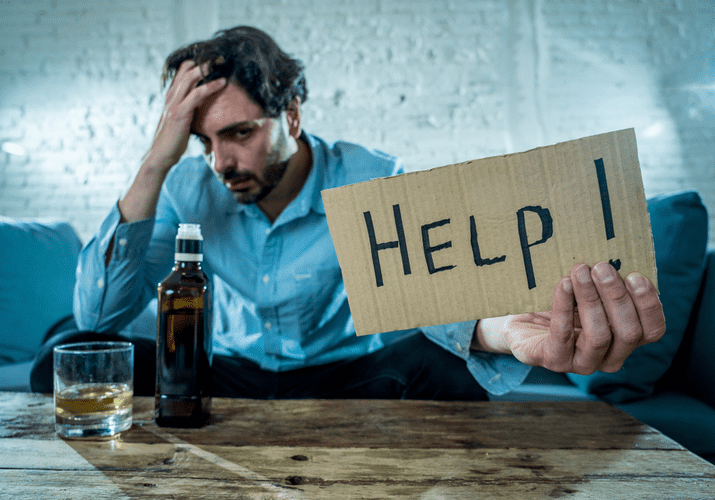
Your doctor may prescribe medication to ease severe symptoms of withdrawal. Your doctor may also prescribe other medications to help relieve symptoms of anxiety, depression, and aggression. If you experience strong drug cravings, you may find it easier to go through amphetamine withdrawal in a hospital setting.
Over time, the body builds up a tolerance, and more and more of the drug is needed to produce the same high, which leads to addiction. It can be incredibly difficult for users to break an amphetamine abuse disorder without help. Inpatient or residential treatment programs provide a structured, 24-hour environment where individuals can focus solely on their recovery. These programs typically include a combination of individual and group therapy, medical supervision, and access to a range of supportive services. Inpatient treatment can be particularly beneficial for those with severe addictions or co-occurring mental health conditions.

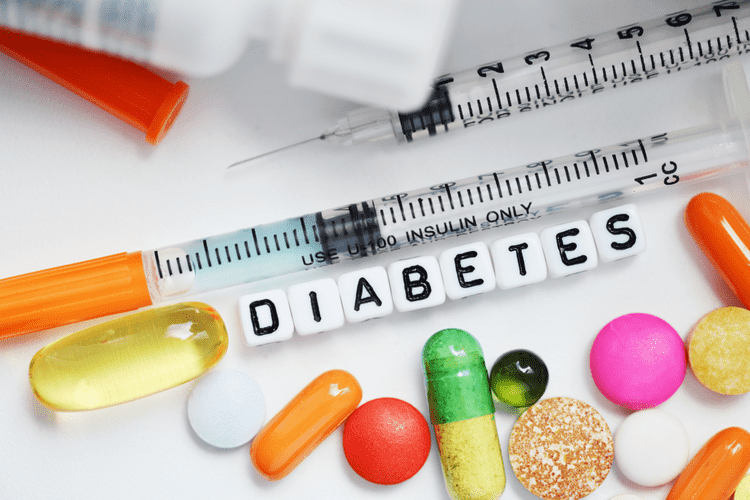
We treat a wide range of addiction and behavioral health conditions including dual diagnosis, drug addiction and alcoholism. This type of treatment is also sometimes referred to as integrated treatment or dual diagnosis care and includes both mental and physical health management services. Amphetamine detox can lead to a number of withdrawal symptoms, but there are treatment programs that can help in the detox process.
Amphetamines are powerful central nervous system stimulants that boost feelings of pleasure, energy, focus, and euphoria. In addition to physical dependence, a person may also develop a psychological dependence on the drug. Some users think they need amphetamines to get through the day or perform at their normal level.
However, detox alone rarely addresses the underlying causes of addiction. Medical supervision provides safety, emotional support alongside strategies to manage cravings, which increases the likelihood of a successful recovery. Often prescribed for conditions like ADHD or narcolepsy, these medications can be safe and effective under medical supervision but long-term use or misuse can still lead to dependence. No tests can determine drug misuse or addiction, but a medical professional can discuss a person’s substance use with them and assess possible risk factors that support the possibility. Stopping consumption after long-term use results also causes amphetamine withdrawal symptoms.